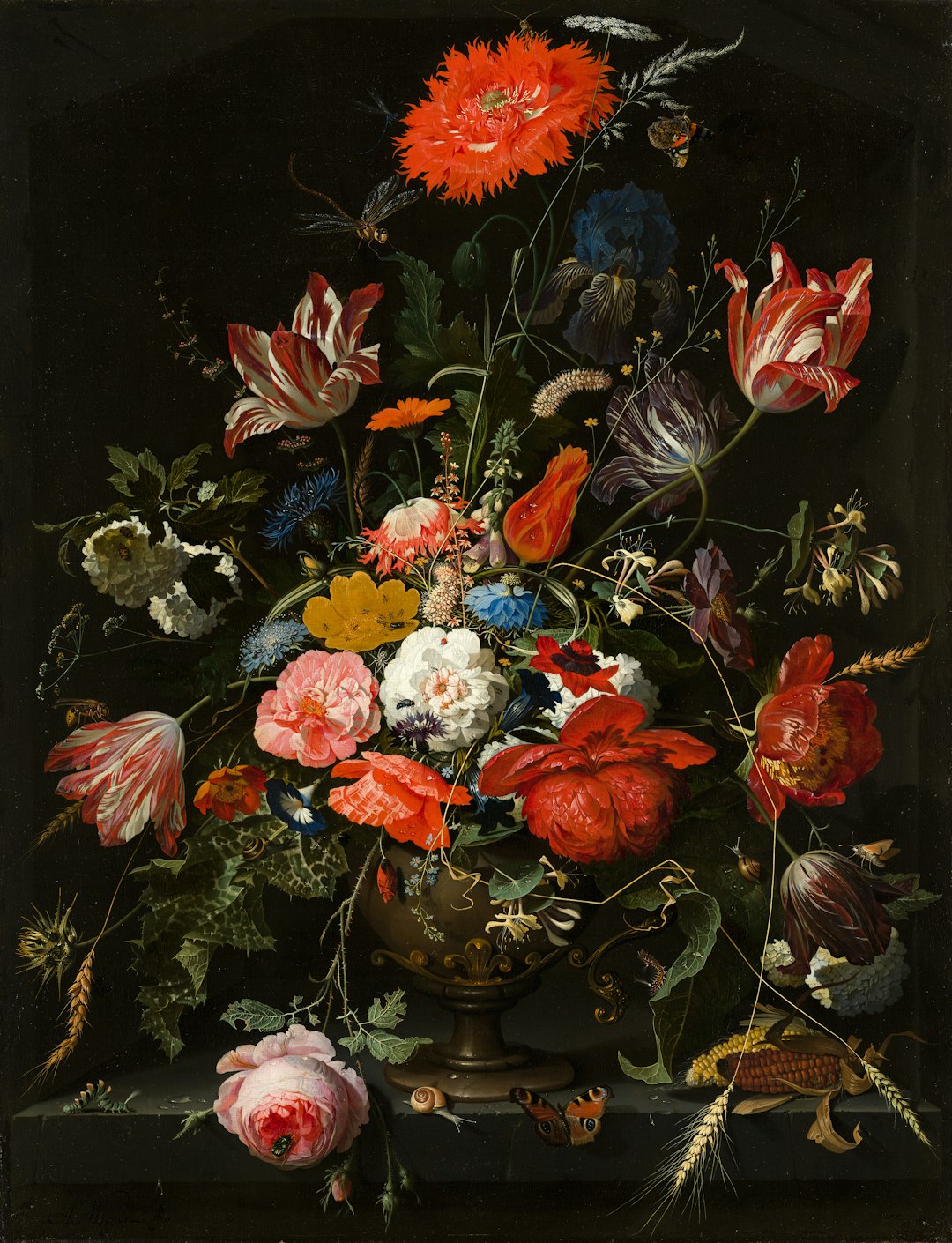
The integration of technology in education is not a new phenomenon, but the recent advancements in artificial intelligence are poised to revolutionize the way we teach and learn art. From personalized learning experiences to new forms of creative expression, AI is opening up a world of possibilities for art educators and students alike.
This article explores the exciting ways in which AI is shaping the future of art education and how it can be used to foster creativity and innovation in the classroom.
AI as a Personalized Art Tutor
One of the most significant benefits of AI in art education is its ability to provide personalized learning experiences. AI-powered tools can adapt to each student's individual learning pace and style, providing them with customized feedback and guidance. For example, an AI-powered drawing app could analyze a student's work and provide them with real-time feedback on their technique, or suggest new exercises to help them improve their skills.
This personalized approach to learning can be particularly beneficial for students who may be struggling with traditional teaching methods. By providing students with the support and guidance they need to succeed, AI can help to create a more inclusive and equitable learning environment.
Unlocking Creativity with AI-Powered Tools
AI can also be a powerful tool for unlocking creativity in the classroom. AI-powered tools can be used to generate new ideas, to explore different artistic styles, and to create entirely new forms of art. For example, students could use an AI image generator to create a series of images based on a particular theme or concept, or they could use an AI-powered music generator to create a soundtrack for a short film.
By providing students with new tools for creative expression, AI can help to foster a culture of innovation and experimentation in the classroom. It can also help students to develop the critical thinking and problem-solving skills that are essential for success in the 21st century.
Making Art History More Engaging
AI can also be used to make art history more engaging and interactive. For example, students could use an AI-powered app to explore a virtual museum, or they could use an AI-powered tool to analyze the style of a particular artist. By making art history more hands-on and interactive, AI can help students to develop a deeper appreciation for the art of the past.
The Ethical Considerations
Of course, the use of AI in art education also raises a number of ethical considerations. For example, how do we ensure that students are not simply using AI to cheat on their assignments? And how do we teach students to be critical consumers of AI-generated content?
These are important questions that educators will need to address as they integrate AI into their classrooms. It will be important to develop clear guidelines and policies for the use of AI, and to teach students about the ethical implications of this powerful new technology.
The Future of Art Education
The future of art education is likely to be a blend of traditional teaching methods and new, AI-powered tools. By embracing the potential of AI, art educators can create a more personalized, engaging, and creative learning experience for their students. The key will be to find the right balance between human-led instruction and AI-powered exploration, and to ensure that students are developing the critical thinking and ethical awareness they need to thrive in an increasingly AI-driven world.