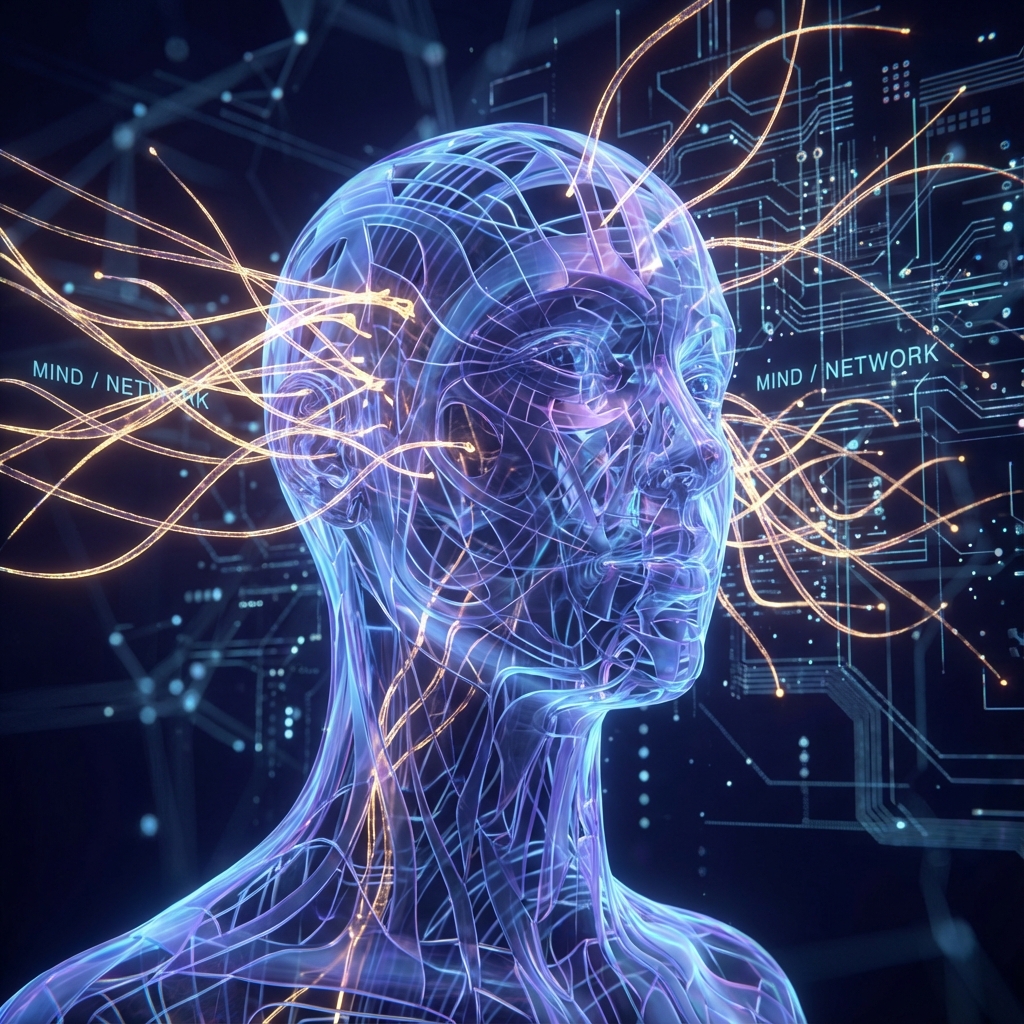
AI art has exploded in popularity, seemingly overnight. But why? Beyond the technical novelty, there are deep psychological drivers at play. We examine the human response to synthetic creativity.
The Thrill of Surprise (Dopamine Loops)
Using an AI generator is akin to pulling the lever on a slot machine. You input a prompt (the coin), and you wait with anticipation to see what comes out. Sometimes it's a mess, but when it's beautiful, your brain releases dopamine. This variable reward schedule is highly addictive and keeps users coming back to prompt "just one more time."
Navigating the Uncanny Valley
One of the most discussed aspects of AI art is the "Uncanny Valley"—the feeling of unease when something looks almost human but not quite. Dead eyes, smooth skin, or too many fingers trigger an evolutionary alarm bell.
"However, AI is rapidly crossing this valley. The newest models generate faces so realistic they bypass this defense mechanism, leading to a new psychological phenomenon: hyper-reality."
In this new era, the fake can often look more appealing than the real, curated to aesthetic perfection.
Democratization of Imagination
For decades, there was a gap between those who could imagine vast worlds and those who had the technical skill (drawing, painting) to visualize them. AI bridges this gap. This provides a massive psychological boost to "non-creatives," validating their ideas and allowing them to participate in artistic expression. It shifts the value from manual dexterity to conceptual thinking.
Pareidolia and Dream Logic
AI art often operates on "dream logic," blending concepts in ways that mirror how our subconscious works. We are hardwired for pareidolia—finding pattern and meaning in chaos. AI art, with its sometimes surreal and melting forms, acts as a Rorschach test, inviting us to project our own meaning onto the generation.
As AI tools evolve, our relationship with images is changing. We are moving from passive consumers to active cocreators, navigating a new digital landscape where reality is malleable.